
Who’s on board? Meet the cruisers.
Everything in cruising starts with the customer. Ships, itineraries, prices and marketing are all built for particular kinds of cruisers. Here are six of them, plus the people who haven’t sailed yet, sized against the 40.3 million ocean cruise passengers Cruise Market Watch estimates for 2027, the same total as our Market Share and Growth pages.
Each one is linked to the ship segments they sail on most.
The cruisers
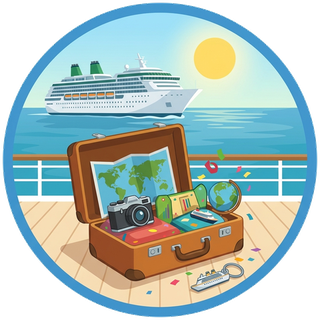
About 30% of cruisers · 12.1M in 2027
New to cruising and trying a short sailing, often because friends raved about it or a great deal popped up. Everything is a discovery: the sail-away party, the shows, the buffet at midnight. They’re the industry’s future regulars, and plenty of them book the next one before they get home.

About 21% of cruisers · 8.5M in 2027
Parents with kids, and more and more often the grandparents too. They want one vacation where everybody is happy: kids’ clubs, water slides, a private-island beach day, and dinner together at the end of it. Somebody usually ends up with a new favorite character, and it isn’t always the kids.
About 18% of cruisers · 7.3M in 2027
They’ve sailed many times and know exactly what they like: their line, their favorite ship, sometimes their cabin and their bartender’s name. The cruise is a happy ritual, and loyalty status is a point of pride. Repeat cruisers tend to book earlier, sail longer and choose better cabins.

About 17% of cruisers · 6.9M in 2027
They’ve cruised before and know what they came for: a real break. A week of sunshine, a good book, warm water and very few decisions. A drinks package and an all-inclusive price keep things simple, and sea days are their favorite days.
About 11% of cruisers · 4.4M in 2027
Under 40, no kids along, and keen to try everything: snorkel, zip-line, the new restaurant, the new ship. They find their next cruise on social video and share the trip as it happens. Cruise lines design a lot of their newest ships with them in mind.
About 3% of cruisers · 1.2M in 2027
Well-traveled, usually 55 and over, with the time and budget to go far: Antarctica, the Galápagos, Asia, small-ship Europe. They want to learn something and come home with stories, and they choose smaller ships, longer itineraries and more time ashore. A small group, and an important one.

~160M Americans have never cruised
People who haven’t cruised. Some worry about the cost, seasickness or crowds; some simply prefer other trips. They are more open than ever, though: about 3 in 5 American adults have never sailed, yet three in four non-cruisers (75.6%) say they’d consider a first cruise, and a good word from a friend is often what tips them over.
How the model works
Segments use what the industry publishes about cruisers: age, who they travel with, first cruise or repeat, and how much they spend. Spend comes from the ships they choose.
Each cruiser goes to the first segment that fits, in the order below. Shares come from CLIA’s passenger and traveler surveys, treating those traits as independent, and are applied to Cruise Market Watch’s 2027 estimate of 40.3 million passengers. They are estimates.
The segment naming is the fun part. The “In their words” lines capture common themes from cruise forums, reviews and social posts.
The segment rules
| Step | Segment | Rule | Share |
|---|---|---|---|
| 1 | Explorers | Sails a luxury or expedition ship | ~3% |
| 2 | Souvenirs | First cruise | ~30% |
| 3 | Little Mermaids | Travelling with children | ~21% |
| 4 | Admirals | 60 and over, repeat cruiser | ~18% |
| 5 | Marines | Under 40 | ~11% |
| 6 | Escapers | Everyone else: 40 to 59, repeat cruiser | ~17% |
Monthly ticket pricing and capacity for every future sailing across 16 cruise lines, with history back to 2010.